
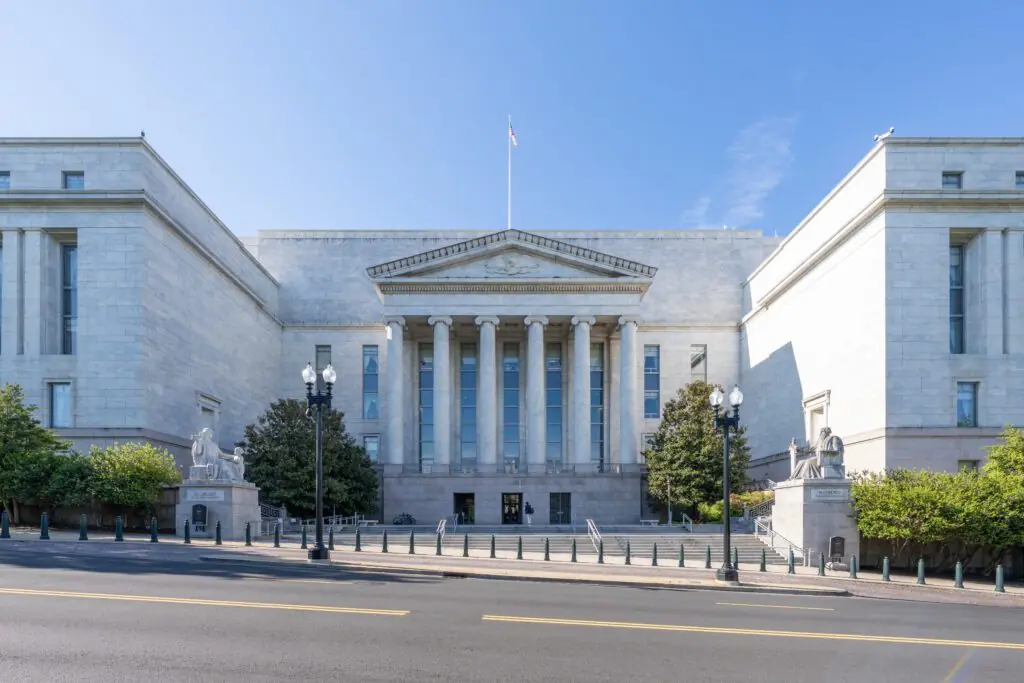
On November 13, 2024, a subcommittee of the U.S. House of Representatives held a public session on unidentified anomalous phenomena. The title of the hearing notice made no apologies: exposing the truth.
It was the second major public hearing on the subject in sixteen months, after the one in July 2023. And in several ways it was more revealing than that one. Not for what was said, but for what went unsaid.
What happened
A panel of four people with very different profiles appeared: a former head of a Department of Defense program, a retired rear admiral who had run the country’s oceanic and atmospheric agency, a former senior NASA official who had taken part in the independent panel the agency convened on the subject, and an investigative journalist.
That lineup already says something. In 2023 the witnesses were firsthand: pilots who had seen things and a former intelligence officer with specific accusations. In 2024 the panel was managers, analysts and the press. The shift was from “I saw it” to “this is what is known and this is what they won’t let us check.”
What it contributed, and what it didn’t
I’ll get to my part, and here my part is the dry balance sheet.
It contributed four things. An appearance with an official transcript, which is citable material forever. The finding that former senior officials of civilian agencies, not only military ones, are willing to sit down and say the matter deserves attention. A focus shifted toward scientific data and access to information, rather than toward sightings. And a repeated insistence on the lack of a declassification mechanism with real power, which is precisely what fell apart in the December 2023 conference committee.
It contributed no evidence. No new document, no image, no instrumental data point. And that has to be said plainly, because a considerable part of the later coverage suggested the opposite. An appearance is testimony in a parliamentary setting: it is worth something for its formal nature and for the cost of lying in it, not because it turns what was said into proven fact.
Why it matters anyway
Because these sessions have done something no documentary managed in fifty years: turn the subject into an ordinary parliamentary file. With a notice, an agenda, a transcript and an archive. There is now a public documentary trail that can be cited, compared across years and checked against what the agencies answer in writing.
And because from that comparison comes the only honest metric in all of this: what have the 2023 and 2024 hearings changed in practice? A reporting channel, a mandatory annual report and a collection of records at the National Archives. No evidence, no outside arbiter, not a single relevant new document.
It is little. It is more than there was in the previous seventy years. Both things are true at once, and anyone who repeats only one of them is selling you something.
OSINT – Source traceability
It is expressly stressed that a parliamentary appearance is testimony in a formal setting and not a verification: the committee listens, it does not investigate. No evidentiary contribution is attributed to the session, because there was none.