
Testimony upheld at a bar counter is worth nothing. Testimony upheld in front of a government attorney, under oath, for three years and knowing that lying comes at a high price, is worth something else. Not as proof of what is claimed, mind you. It is worth something as proof that the person telling it is willing to pay for telling it.
That is exactly what Betty Cash and Vickie Landrum did between 1983 and 1986.
What they stated
The core of the account, upheld by the two women from the first days and maintained afterward in the court proceedings and in documented interviews, is this:
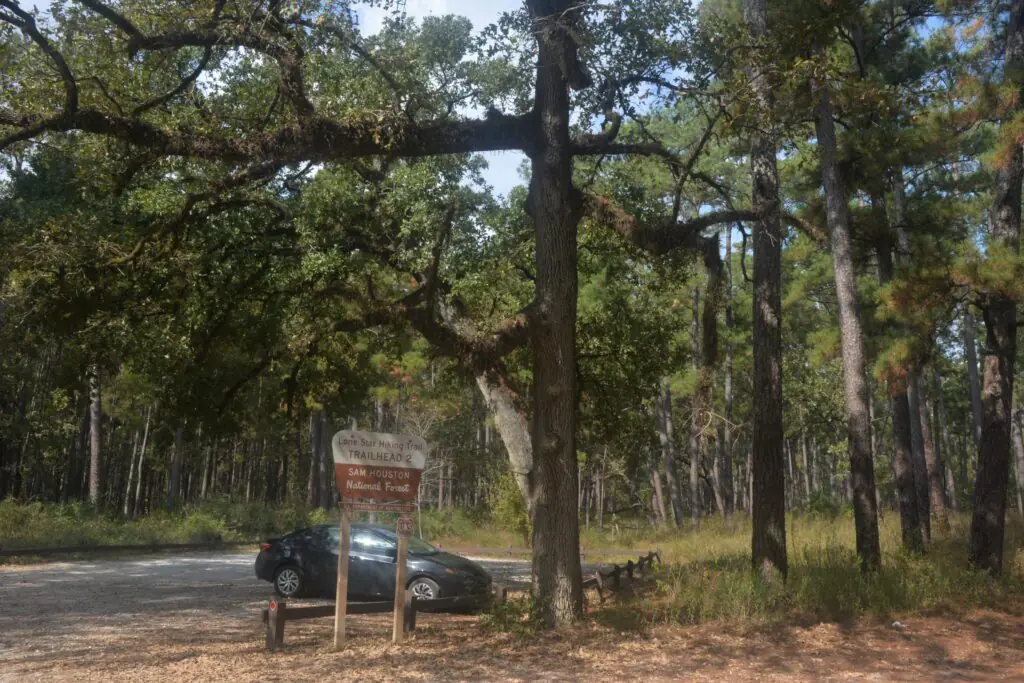
- That on the night of December 29, 1980, driving home along FM 1485, they found a diamond-shaped object on the roadway that intermittently expelled fire toward the ground.
- That they stopped the vehicle and got out.
- That the heat was so intense that the door handle burned to the touch and the dashboard was left marked.
- That, as the object moved away, a large formation of double-rotor helicopters appeared. They counted twenty-three.
- That in the following hours all three fell ill, with vomiting, eye problems and skin lesions, and that Betty Cash was eventually hospitalized and lost hair.
We got out of the car. The heat was unbearable and the door handle was burning. When that thing started to leave, the sky filled with helicopters.
A mandatory warning, without which this is not published: the quotation above is a Spanish-language synthesis of the content of the account as recorded in the case documentation and in published interviews. It is not a verbatim transcript of any court statement, and this site does not have the original record.
How it is assessed
Let us begin with what works in its favor, which is considerable. Two adult witnesses with matching accounts from day one. Documented illness in all three, with medical care and hospital admission. A complete absence of profit: no book, no lectures, no tour. And the very costly decision to sue the federal government and see the proceedings through to the end.
Now what works against it, which is also considerable. No independent witness saw either the object or the formation of helicopters, in an inhabited area and on a road with traffic. There were measurements, and none found anything: the Texas Department of Health surveyed the stretch on September 16, 1981 without finding any deviation from background radiation, and the bone marrow aspirate taken from Betty Cash on July 4, 1982 came back normal, with no trace of ionizing radiation damage. What was never done was to measure the vehicle with a protocol and chain of custody, which was the physical evidence available and was right there. And the clinical picture, though real, allows several conventional causes.
There is also an element worth pointing out without condescension: the figure of twenty-three helicopters is too precise. A witness who invents rounds off. An honest witness recounting under stress, at night, with aircraft moving in and out of the field of vision, produces a specific figure, stated with confidence, and probably wrong. The precision here is not an indication of truthfulness; it is an indication that they were really counting.
The full development of the case, with the Army Inspector General’s investigation and the real meaning of the 1986 dismissal (which is almost always cited wrongly), is in the case file.
Betty Cash died on December 29, 1998, exactly eighteen years after that night. Vickie Landrum died in 2007. Neither of them changed a comma.
OSINT – Source traceability
The quotation in the body text is a Spanish-language synthesis of the content of the account as recorded in the case documentation and in published interviews; the text expressly warns that it is not a verbatim transcript of any court statement and that this site does not have the original record.