
The reference number is the date. That is the first nice detail of this document: the Ejército del Aire (Spanish Air Force) numbered its files with the day of the incident in year-month-day format. 791111 is November 11, 1979. You need no index and no search engine: if you know when it happened, you know where it is.
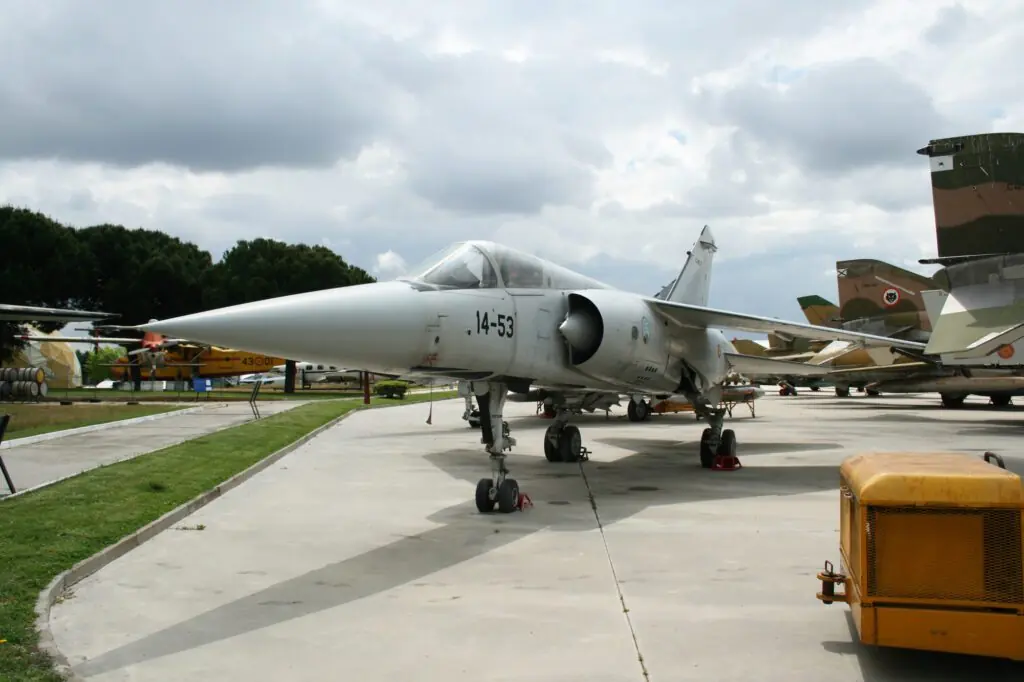
And this is the star file of the entire Spanish collection. The one for the Manises case: the commercial flight that landed where it was not supposed to and the Mirage that took off at midnight.
Three cases in one folder
The first surprise on opening it is that it is three files, not one. The Valencia file of the 11th, the Motril file of the 17th and the Madrid file of the 28th, processed together because of their presumed connection.
That says something interesting about how military investigators thought at the time: they did not see three isolated scares, they saw a pattern in November 1979 and decided to look at it together. It is a sound analytical decision, even if the outcome was what it was.
The collection also includes material marked Bis, with a declassification date later than the bulk of the file. In other words: the archive was opened in layers, not all at once. That administrative detail is what feeds, with a certain logic, the suspicion of expurgation that has dogged the case since the 1990s.
What is inside
A Spanish file from this collection has a very recognizable structure: initial report, order to open an inquiry, witness statements, checks requested from other units, and the conclusions of the investigating officer. Here, in addition, there are transcripts of communications and documentation on the radar contacts.
Avistamiento de fenómenos extraños en Valencia, Motril y Madrid
Document · Reference 791111 / 791117 / 791128 (Bis) — PGEA collection
That is the sentence that makes this document matter. It does not say “it was a balloon.” It does not say “misidentification.” It says, in the dryness of administrative Spanish, that it has not been possible to determine.
How to consult it
Since October 2016 the collection has been digitized in the Biblioteca Virtual de Defensa (Spanish Defence Virtual Library), under a Creative Commons BY 4.0 license. You need no accreditation, no reasoned request, no letter from a media outlet’s editor: you need patience with the ministry’s search engine, which is old school.
The paper original is kept at the Biblioteca Central del Ejército del Aire y del Espacio, PGEA collection, available for consultation in the reading room. Which is to say that there is still a place in Madrid where you can hold in your hands the paper an officer filled out in 1979 about some lights over the Mediterranean.
A note on the suspicion of expurgation
It should be said here, in the document profile and not only in the article: since the 1990s some have maintained that this file came out mutilated. The most audible accusation is that of J. J. Benítez, who speaks of censorship and removed pages.
My view, which is the view here at Broken UFO: the accusation is legitimate in the abstract, because the process was managed by the same institution that had classified the papers, and nobody audits the auditor. But it is an accusation that carries the burden of proof. The document is available, numbered, with its processing in plain view. Anyone who claims pages are missing can point out which ones, check the foliation and explain what is absent. Forty-seven years later, nobody has done that in detail.
In the meantime, what there is is what there is: a military archive that a State opened without being obliged to, and that anyone can read this afternoon.
OSINT – Source traceability
The exact declassification date differs between sources depending on whether it refers to the bulk of the file or to the annex marked Bis. We chose to record the period of the process rather than a single unverified date. The text of the document block paraphrases the concluding content and does not reproduce the document verbatim.